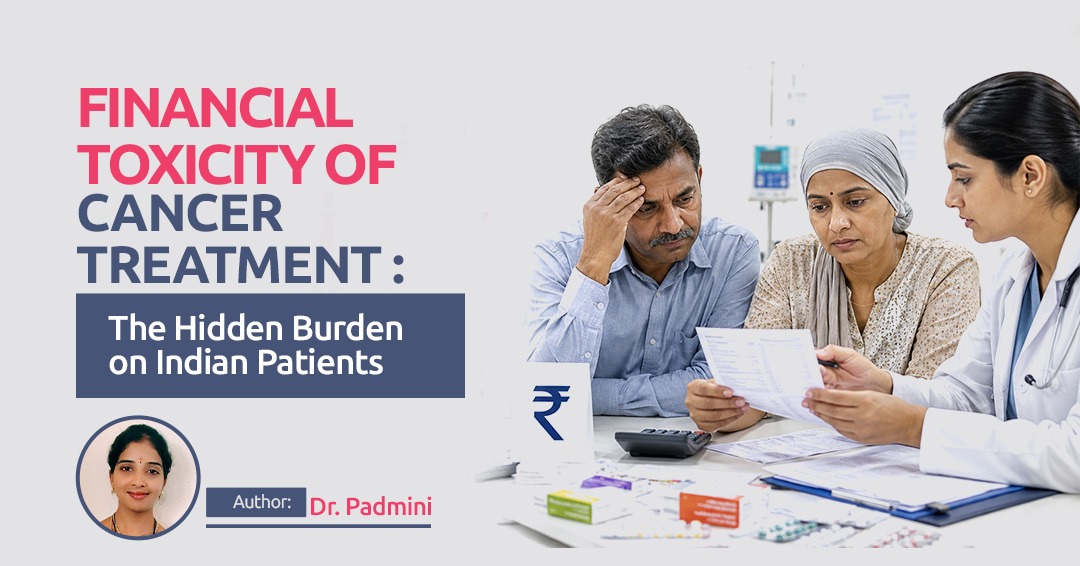
Financial Toxicity of Cancer Treatment: The Hidden Burden on Indian Patients (2026)
Cancer does not just affect the body - it also devastates the finances of patients and their families. A lot of focus goes on the physical challenges of cancer. The cost of cancer treatment in India is often not discussed. This financial impact is what experts call financial toxicity.
Financial toxicity in cancer patients occurs when the high expense of cancer treatment causes severe financial stress. It can affect the decisions patients make about their treatment, their quality of life, their mental health, and how well they recover. In a country like India, where patients pay a large share of medical expenses out of their own pockets, this is a significant and growing problem.
What Is Financial Toxicity in Cancer Treatment?
Financial toxicity is when cancer treatment has a serious impact on a patient's finances. This includes both the direct costs of medical care and the indirect costs that come with it.
The direct costs can include:
-
Staying in the hospital
-
Getting tests and diagnostics done
-
Paying for surgery
-
Getting chemotherapy
-
Getting radiotherapy
-
Getting targeted therapies
-
Taking medications
The indirect costs can include:
-
Travelling to get treatment
-
Paying for accommodation near the hospital
-
Loss of income because the patient cannot work
-
Paying for a caregiver
-
Paying for food and daily necessities
For families, these cancer treatment expenses in India can go on for months or even years.
Why Is Financial Toxicity a Major Problem for Cancer Patients in India?
India has made a lot of progress in diagnosing and treating cancer. There are new and advanced treatments available in hospitals. These treatments can be very expensive.
Many patients in India do not have health insurance for cancer treatment. Even those who do have insurance may not find all costs covered. Patients may still have to pay a large amount out of their own pockets - a problem known as out-of-pocket cancer treatment costs in India.
Patients from rural areas often have to travel long distances to reach treatment centres. This adds to the financial burden of cancer treatment. Family members may also have to stop working to provide caregiving support, further reducing household income.
As a result, many families in India struggle financially when someone is diagnosed with cancer.
How Does Financial Toxicity Affect Cancer Patients?
Financial toxicity in cancer care can affect patients in several important ways.
1. It Causes Significant Stress
Patients may worry about how they will pay their medical bills. They may feel anxious about the future. The financial stress of cancer treatment can be as overwhelming as the disease itself.
2. It Can Delay or Disrupt Treatment
Some patients delay seeking medical care or skip treatments because they are too expensive to afford cancer treatment in India. This can make recovery harder and reduce the chances of a positive outcome.
3. It Affects Quality of Life
Financial stress can affect a patient's sleep, mental health, and relationships with family. Patients may feel guilty about the financial burden of cancer on the family. This emotional weight adds to the physical challenges of treatment.
4. It Can Lead to Long-Term Debt
Many families have to use their savings, borrow money, or sell assets to pay for cancer treatment. Recovering from these cancer treatment financial losses can take years.
Who Is at Higher Risk of Financial Toxicity from Cancer Treatment in India?
Some people are more vulnerable to financial toxicity from cancer treatment
-
Patients who do not have health insurance
-
Patients with low incomes or from economically weaker sections
-
Older patients on fixed incomes
-
Patients who need long-duration treatment
-
Patients receiving targeted therapies or immunotherapies
-
Families who live in rural areas and must travel for treatment
-
Patients who are the primary earners in their families
Identifying these risk factors for cancer financial toxicity early can help healthcare teams offer timely financial support.
What Can Cancer Patients and Caregivers Do to Reduce Financial Toxicity?
While cancer treatment financial toxicity cannot always be avoided, there are practical steps patients and caregivers can take.
Talk to Your Doctor About Treatment Costs
Patients should feel comfortable discussing the cost of cancer treatment with their doctors. Doctors may be able to suggest more affordable treatment options, including generic cancer medicines, without compromising care quality.
Look Into Government Schemes and Assistance Programs
There are several government schemes for cancer patients in India that can help reduce the financial burden:
-
Ayushman Bharat (PMJAY) - provides up to Rs 5 lakh cashless health coverage per family per year at empanelled hospitals
-
Jan Aushadhi Kendras - provide CDSCO-approved generic medicines at significantly discounted prices
-
State-sponsored cancer assistance programs - several states offer additional support beyond PMJAY
-
Charitable organisations and patient assistance programs (PAPs) from pharmaceutical companies
Patients should contact their hospital social worker or patient navigator to learn about financial assistance for cancer treatment in India available in their area.
Keep Track of Your Medical Expenses
Keeping a record of all bills, medicines, and insurance documents can help patients claim reimbursements and plan for future cancer treatment costs in India.
Seek Mental Health and Emotional Support
The financial stress of cancer treatment can deeply affect mental well-being. Patients and caregivers should speak with counsellors, support groups, or healthcare providers to manage this pressure. Government and NGO mental health programmes are available across India.
Role of Healthcare Professionals in Addressing Financial Toxicity
Healthcare practitioners play an important role in helping patients manage the financial burden of cancer treatment in India.
Doctors, nurses, and social workers should consider the financial well-being of their patients. They should proactively discuss cancer treatment costs with patients and help them make informed decisions.
Healthcare teams can also assist patients in finding insurance resources, patient assistance programs, and government support schemes for cancer in India. This can reduce financial stress and improve treatment adherence and outcomes.
Looking Ahead: Addressing the Financial Toxicity of Cancer in India
Cancer treatment continues to improve. New therapies are helping patients live longer with better outcomes. However, the cost of cancer treatment in India remains a serious barrier for many families.
Recognising financial toxicity as a public health concern is critical. Awareness needs to grow among patients, caregivers, healthcare providers, insurance companies, and policymakers.
Every patient deserves access to affordable cancer care in India without facing financial ruin. Addressing financial toxicity is an important step towards making this a reality.
Frequently Asked Questions About Financial Toxicity in Cancer Treatment
1. What is financial toxicity in cancer care?
Financial toxicity in cancer care refers to the significant financial stress and hardship that patients and families experience due to the high cost of cancer treatment. It includes both direct medical costs and indirect costs such as lost income and travel expenses.
2. Is financial toxicity a major problem for cancer patients in India?
Yes. India has a high rate of out-of-pocket cancer treatment costs. Many patients do not have comprehensive health insurance. This makes financial toxicity from cancer treatment a very real and widespread problem for Indian patients and their families.
3. Can health insurance fully prevent financial toxicity in cancer treatment?
No. While health insurance for cancer treatment can reduce expenses, patients may still need to pay for travel, accommodation, lost income, and medicines not covered under their policy.
4. Should I talk to my doctor about cancer treatment costs?
Yes. Patients should feel comfortable discussing the cost of cancer treatment openly with their doctors. Doctors can suggest more affordable alternatives, including generic cancer medicines, and refer patients to financial assistance programs.
5. Which government schemes help cancer patients with treatment costs in India?
Ayushman Bharat PMJAY provides up to Rs 5 lakh cashless coverage per family per year at empanelled hospitals. Jan Aushadhi Kendras offer CDSCO-approved generic medicines at steeply discounted prices. State-sponsored schemes and patient assistance programs from pharmaceutical companies also provide support.
6. How can generic medicines help reduce cancer treatment financial toxicity?
Generic cancer medicines can cost 50-95% less than branded equivalents while meeting the same CDSCO quality and safety standards. Switching to approved generics - with oncologist guidance - is one of the most impactful ways to reduce the cost of cancer treatment in India.
References:
1. Carrera PM, Kantarjian HM, Blinder VS. The financial. Distress of patients with cancer. CA: A Cancer Journal for Clinicians. 2018;68(2):153-165.
2. Zafar SY, Abernethy AP. Financial toxicity, Part I: A name for a growing problem. Oncology. 2013;27(2):80-81.
3. Jain M, Mukherjee K, Chandra PS. Economic burden of cancer treatment in India: Challenges and opportunities, for improving care. Indian Journal of Medical Research. 2021;153(5-6):607-615.
Disclaimer:
The views and opinions expressed are opinions only.