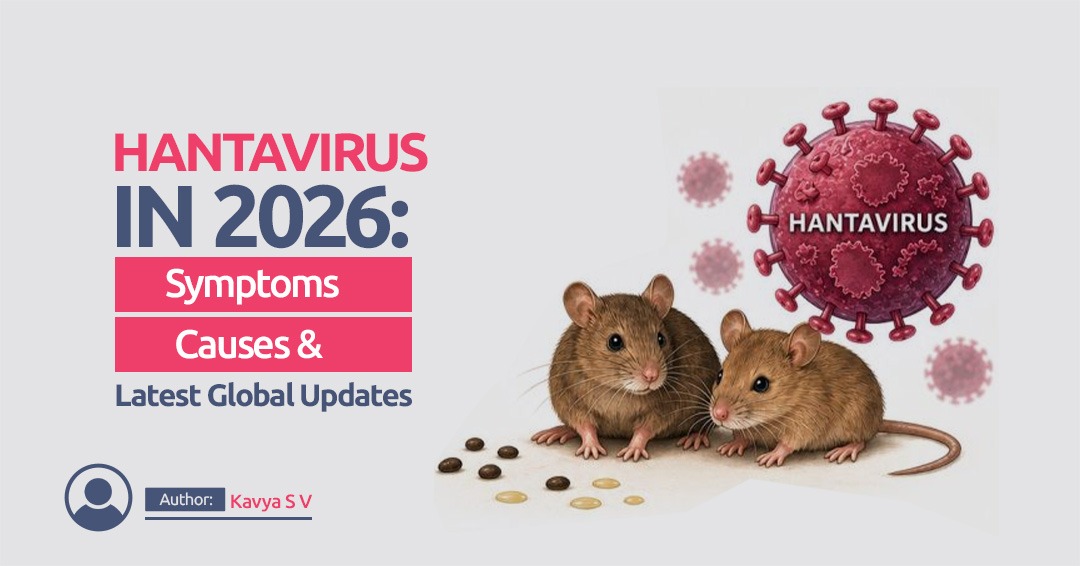
Hantavirus in 2026: Symptoms, Causes, and Latest Global Updates
Did you know that Hantavirus infections are once again gaining global attention in 2026?
Although Hantavirus outbreaks are generally rare, they continue to cause public health concerns due to their severe respiratory issues and, in some cases, significant mortality risk.
Healthcare professionals are keeping a careful eye on new Hantavirus cases and transmission patterns around the world due to growing awareness of zoonotic diseases and developing viral infections.
Understanding Hantavirus symptoms, causes, preventative techniques, and the most recent global updates by 2026 is critical for early detection, better patient care, and public safety.
What is Hantavirus?
Hantaviruses are zoonotic viruses that infect rodents (rats/mice) naturally and can occasionally spread to people. Although the diseases differ depending on the type of virus and geographic region, infection in humans can cause serious illness and often death. Humans can become infected through contact with rat urine, droppings, saliva, or contaminated surfaces.
Hantavirus infection can lead to serious illness, including:
-
Hantavirus pulmonary syndrome (HPS)
-
Hemorrhagic fever with renal syndrome (HFRS)
These conditions can become life-threatening if not diagnosed and treated early.
Hantavirus in 2026 - Latest Global updates:
Hantavirus awareness and reporting have increased in 2026 in a number of places worldwide due to the increase in zoonotic disease surveillance.
Latest global trends include:
-
Public health alerts in affected regions
-
The strain has been identified as Andes hantavirus (ANDV), which is distinct due to its restricted ability to spread from person to person.
-
Increased monitoring of rodent-borne viral infections
-
As of May 19, 2026, 11 cases (9 confirmed, 2 probable) were linked to the MV Hondius.
-
Better surveillance and diagnostic testing systems
-
Increasing focus on infection prevention and outbreak preparedness
Hantavirus Causes and Transmission:
Understanding the causes of hantavirus infection is important for prevention
Common modes of transmission:
-
Inhaling polluted airborne particles from rodent droppings or urine.
-
Direct interaction with rodents that are infected
-
Touching the face after coming into contact with contaminated surfaces
-
Rarely due to rodent bites
High risk areas:
-
Farms and storage facilities
-
Rural environments
-
Areas with rodent infestations
-
Poorly ventilated closed spaces
For the majority of Hantavirus strains, person-to-person transmission is now considered uncommon.
Symptoms of Hantavirus:
Early detection of Hantavirus symptoms can enhance treatment results and lessen complications.
Early symptoms:
-
Fatigue
-
Fever
-
Chills
-
Muscle pain
-
Headache
-
Nausea and vomiting
-
Abdominal pain
-
Dizziness
Later or severe symptoms:
-
Shortness of breath
-
Chest tightness
-
Coughing
-
Low blood pressure
-
Severe weakness
Who is at higher risk?
Certain individuals may be more susceptible to Hantavirus infection.
-
People exposed to rodent infested areas
-
Formers and agricultural workers
-
Construction workers
-
Travelers and campers in endemic areas
Diagnosis of Hantavirus:
Early diagnosis plays a major role in improving survival rates.
-
Blood tests
-
Serological Testing
-
RT-PCR Test
-
Chest imaging for respiratory issues
-
Clinical symptom evaluation
Prevention of Hantavirus:
Preventing rat exposure is the most effective method of lowering infection risk.
-
Keep living and work spaces clean
-
Seal the openings and entry places.
-
When cleaning contaminated areas, wear safety equipment.
-
Avoid contact with rats and their droppings.
-
Maintain good hygiene and sanitation.
Conclusion:
The increasing focus on Hantavirus in 2026 emphasizes the importance of awareness, prevention, and early medical treatment. Knowing the symptoms of Hantavirus, understanding the risks of transmission, and keeping updated with global developments can help reduce effects and enhance public health safety.
Education and preparedness remain key in controlling emerging viral threats worldwide as infectious disease monitoring evolves.
FAQs:
1. What is a hantavirus?
Hantavirus is a virus that is spread by rodents and can lead to serious kidney and respiratory problems.
2. How is the Hantavirus transmitted?
Exposure to infected rodent urine, droppings, saliva, or contaminated dust particles is the primary way that the hantavirus spreads.
3. What are the Hantavirus's early symptoms?
Fever, fatigue, headaches, muscle aches, nausea, and discomfort in the abdomen are early signs of the Hantavirus.
4. Is a Hantavirus infection treatable?
Although there isn't a specific treatment, early hospitalization and supportive care can increase survival rates.
Reference: