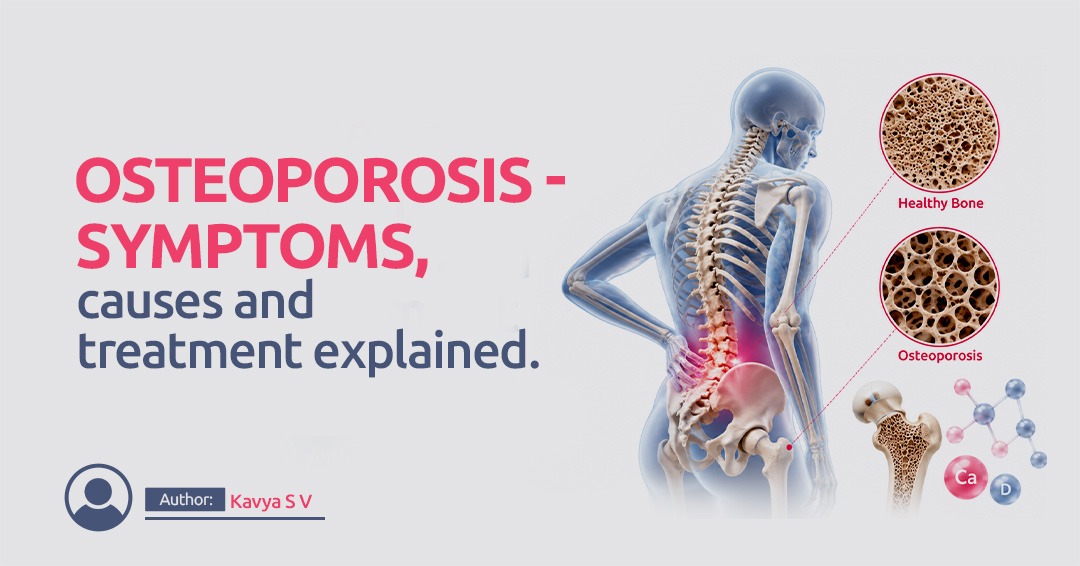
Osteoporosis - Symptoms, Causes and Treatment Explained
Did you know that osteoporosis is known as a "silent disease" because many patients do not experience symptoms until a fracture occurs?

Bone health naturally evolves with aging, but elements like hormonal imbalances, nutritional deficiencies, and lifestyle choices can hasten the deterioration of bone strength. Presently, osteoporosis poses a significant health issue worldwide, particularly for older individuals and women after menopause
Understanding osteoporosis symptoms, determining the reasons for bone density loss, and understanding modern treatment choices can all help you avoid fractures and improve your bone health over time.
What is Osteoporosis?
Osteoporosis is a bone disease that occurs when bone mass and mineral density reduce or when bone strength and structure change. As a result, bone strength can decrease, raising the risk of fractures (broken bones).
Commonly affected areas include:
-
Hips
-
Spine
-
Ribs
-
Wrists
Even small falls or injuries can result in significant fractures in patients who have osteoporosis.
Symptoms of Osteoporosis:
Osteoporosis may not show any signs in its early stages. The symptoms gradually become more noticeable as bone density decreases.
-
Frequent back pain without clear injury
-
Fractures from minor fall or injuries
-
Loss of height overtime
-
Stooped or rounded posture
-
Brittle or weak nails
-
Weak grip strength
-
Chronic fatigue
-
Receding gums and tooth loss
Causes of Osteoporosis:
Several factors contribute to reduced bone strength and increased fracture risk

-
Sex: Women are more likely to develop osteoporosis. Compared to men, women have smaller bones and a lower peak bone mass. Men are still at risk, particularly after the age of 70.
-
Family history: According to research, if one of your parents has a history of hip fractures or osteoporosis, you may be more susceptible to both conditions.
-
Age: As you get older, you lose bone more quickly and develop new bone more slowly. Your chance of developing osteoporosis rises as your bones weaken over time.
-
Calcium and Vitamin D Deficiency: Inadequate calcium and vitamin D intake causes bone weakness over time.
-
Body size: Men and women with thin, slender bones are more likely to develop osteoporosis because they have less bone to lose than those with larger bones.
-
Hormonal Changes: After menopause, low estrogen levels in women and decreased testosterone levels in men may accelerate bone loss.
-
Sedentary Lifestyle: A lack of physical activity lowers bone strength and muscle support.
-
Alcohol and Smoking: Drinking too much alcohol and smoking have an adverse impact on bone health.
-
Medications: Long-term use of certain medications like Glucocorticoids, adrenocorticotropic hormone, Antiepileptic, Proton pump inhibitors, Thiazolidinediones, Selective serotonin reuptake inhibitors (SSRIs) and certain cancer medications may make you more likely to develop bone loss and osteoporosis.
-
Other medical conditions: HIV/AIDS, anorexia nervosa, rheumatoid arthritis, gastrointestinal disorders, other endocrine and hormonal problems, and several types of cancer can all raise your risk of developing osteoporosis.
Diagnosis of Osteoporosis:
Early diagnosis improves treatment results and lowers the risk of fracture. Common diagnostic methods are:
-
Bone mineral density (BMD) test
-
A DEXA (Dual-Energy X-ray Absorptiometry) scan
-
Blood test for Calcium and Vitamin-D levels
-
Quantitative Computed Tomography (QCT)
-
Vertebral Fracture Assessment (VFA)
-
Fracture Risk Assessment (FRAX)
Osteoporosis treatment options:
Drug treatments are required for high-risk patients to successfully minimize the risk of osteoporosis-related fractures. Medically approved Pharmaceutical therapies for osteoporosis treatment and fracture prevention include:
-
Bisphosphonates (alendronate, risedronate, ibandronate, zoledronic acid)
-
Raloxifene and bazedoxifene
-
Teriparatide and abaloparatide
-
Denosumab
-
Romosozumab
-
Menopausal Hormone Therapy (MHT)
Lifestyle Changes: Maintaining a healthy lifestyle is important for improving bone health.
-
Perform weight-bearing activities on a regular basis.
-
Keep your diet high in calcium.
-
Get appropriate sunlight exposure.
-
Avoid smoking and consuming excessive alcohol.
Conclusion:
Understanding osteoporosis symptoms and identifying the primary causes of bone density loss are critical steps toward maintaining long-term bone health. Fracture risk can be decreased and quality of life can be enhanced with early diagnosis, appropriate diet, frequent activity, and immediate medical attention. Osteoporosis can be successfully controlled with preventative care and patient-centered assistance thanks to increased knowledge and contemporary therapeutic choices.
Get Specialty Healthcare Support:
At Apothecare Specialities, we are dedicated to providing patients and medical professionals with access to supportive care products and specialty healthcare solutions. We continue to promote patient wellbeing in the areas of advanced healthcare, speciality medicine, chronic care, and bone health.
Visit Apothecare Specialities at www.apothecare.in to learn more about our speciality healthcare solutions.
FAQs:
1. How do I prevent osteoporosis?
Certain practices can assist in the prevention of osteoporosis. Maintaining calcium intake is an important step towards good overall bone health throughout life. Weight-bearing, strength training, flexibility, and balance exercises can help build strong bones and maintain bone density, as can a diet rich in vitamin D.
2. Can osteoporosis be reversed?
There is no cure for osteoporosis; however, proper treatment can help to protect and strengthen your bones.
3. Which foods are helpful for osteoporosis patients?
Bone health benefits from food high in calcium, leafy greens, dairy, almonds, and vitamin D.
4. What are the initial signs of osteoporosis?
Back pain, reduced height, weak bones, and frequent fractures are some of the early signs of osteoporosis.
References:
- https://drshardaayurveda.com/blogs/joint-pain/ayurvedic-treatment-for-osteoporosis-and-risk-factors-revolving-around-it
- https://www.niams.nih.gov/health-topics/osteoporosis
- https://www.houstonmethodist.org/blog/articles/2024/jan/what-are-the-signs-of-osteoporosis-how-is-it-diagnosed/
- https://r-endocrinology.com/blog/10-early-signs-of-osteoporosis-you-should-never-ignore
- https://journals.lww.com/spinejournal/fulltext/1997/12151/Osteoporosis__Definition_and_Clinical_Presentation.3.as
- https://www.researchgate.net/profile/Arul-Prakasam-Kc/publication/360384312_A_Review_on_Osteoporosis/links/6273717d973bbb29cc630763/A-Review-on-Osteoporosis.pdf
- https://www.news-medical.net/health/Causes-of-Osteoporosis.aspx
- https://health.ucsd.edu/care/endocrinology-diabetes/osteoporosis/risk-factors/
- https://www.healthandbone.ca/en/osteoporosis-faqs-content?title=what-are-the-causes-of-osteoporosis#faq-top
- https://www.osteoporosis.foundation/patients/treatment