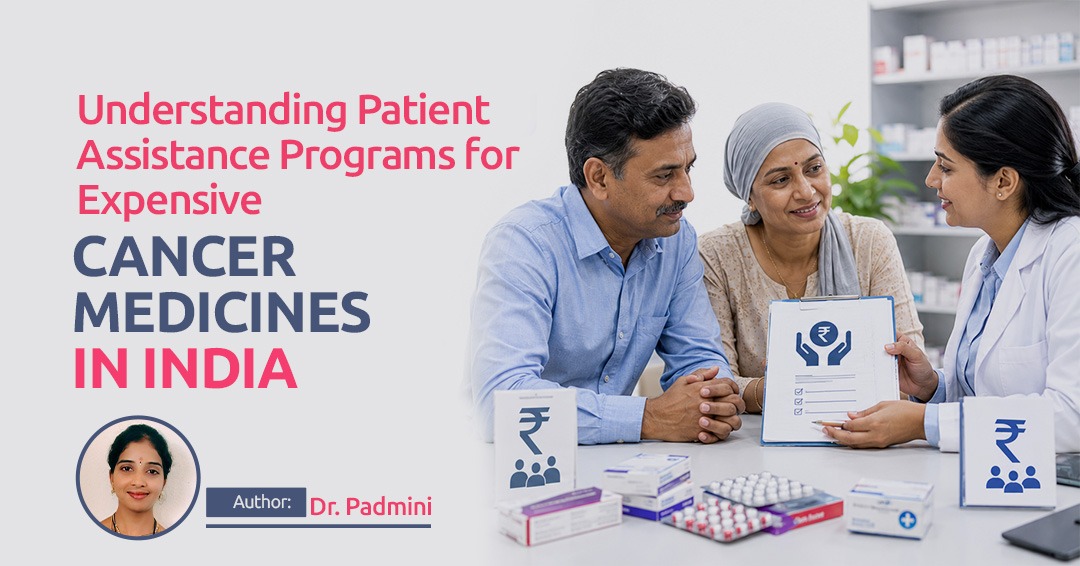
Understanding Patient Assistance Programs for Expensive Cancer Medicines in India
Modern cancer treatment differs significantly from previous approaches because today's therapies not only allow people to live longer but also enjoy their life to the fullest. However, one should take into consideration the price of such treatment because most of the innovative drugs are extremely costly, which leads to an economic burden for both patients and their families.
India faces this problem even more acutely than other countries since the population spends a great deal of money on treatment directly. Therefore, acquiring modern medicine is a difficult task even for rich patients. This issue is solved by means of Patient Assistance Programs.
What Are Patient Assistance Programs?
That’s where Patient Assistance Programs step in. They are safety nets, usually set up by drug companies, non-profits, NGOs or hospitals. Their main aim? To make sure nobody has to stop or delay treatment because they just can’t afford the medicines.
Depending on the program, patients can get:
- Free medicines if they qualify
- Discounts on drug costs
- Partial reimbursement for what they spend
- Help sticking to treatment long-term
- Guidance on how to get treatment
Most of these programs focus on pricey medicines—especially new cancer drugs like targeted therapies and biologics.
Why Are These Programs So Important in India?
Cancer treatment isn’t cheap. Sometimes, it stretches on for months or even years. Some patients need medicines that run thousands, even lakhs, of rupees each month. Insurance helps, but it often doesn’t cover everything. Out-of-pocket costs still pile up.
Here’s where Patient Assistance Programs can really make a difference. They:
- Get patients access to essential medicines
- Help people stick to their treatment plans
- Reduce breaks in therapy
- Ease the financial strain on families
- Just make care better overall
People who live in rural areas or come from lower-income backgrounds often rely on these programs the most.
How Do Patient Assistance Programs Work?
The procedure is rather simple; however, each organization has its own policies. Typically, it goes as follows:
Step 1: The patient needs a prescription from an oncologist who will prescribe only necessary medications.
Step 2: The patient (or the relatives/friends of the patient) should provide documentation such as prescriptions, examination results, identity papers, certificates about one's financial state. The required documents differ depending on the program.
Step 3: After evaluating all the information, the organization decides whether this person qualifies for the help based on medical necessity and finances.
Step 4: In case the person is accepted, he/she will receive certain amounts of drugs on sale or for free. There are different ways the organizations work. For example, some offer to purchase a certain number of drugs and get others for free.
Which Medicines Are Usually Covered?
Most assistance programs cover:
- Targeted cancer therapies
- Monoclonal antibodies
- Immunotherapy drugs
- Oral cancer medicines
- Some important supportive care medicines
Things change often, so patients should double-check with their doctor or hospital team to see
what’s available right now.
How Healthcare Practitioners Help
Doctors, pharmacists, nurses, and hospital support staff are a huge help when it comes to accessing
these programs. They can:
- Tell patients about the programs that exist
- Spell out who qualifies
- Help with the paperwork
- Make sure patients don’t miss doses
- Guide people through the application process
Honestly, a lot of patients don’t even know these programs are out there. The sooner someone brings it up, the easier it is to avoid treatment delays.
The Challenges
Still, these programs aren’t perfect. But honestly, there are hurdles:
- Most people have no idea these programs exist.
- Some patients get ruled out because they earn “too much,” or maybe they just can’t track down
- the right documents.
- The paperwork can be a real pain and drags on way too long.
Sometimes the help only covers a few medicines, or you’ve got to live in specific places to qualify.
Looking Forward
Cancer treatment will likely keep getting more expensive, especially as newer therapies come to market. Patient Assistance Programs aren’t a cure-all for the financial strain, but they do help more people reach life-saving treatment. More people like patients, their families, doctors, and even decision-makers need to know these programs exist and how to use them.
Nobody should have to pick between money and the right cancer treatment. Getting the word out about assistance programs is one step toward making sure of that.
Frequently Asked Questions (FAQs)
1. What’s a Patient Assistance Program?
It’s a support system that helps eligible patients get the medicines they need at a lower cost, or sometimes even free.
2. Still, even with these roadblocks, these programs make a real difference for a lot of people in India fighting cancer. So, are these programs around in India?
Yes. Drug companies, charities, and hospitals do offer them, but usually only for certain cancer drugs.
3. If you already have health insurance, can you also get this help?
Sometimes you can, but it depends on the program’s rules.
4. Whether your medicine is covered, what you can do?
Ask your doctor, check with the drug manufacturer, or talk to the hospital pharmacy. They usually have the latest list of assistance programs and can point you in the right direction.
Ask your oncologist, pharmacist, hospital support team, or a patient counselor about available programs.
5. Do Patient Assistance Programs cover all cancer medicines?
No. Coverage depends on which drug, the company that makes it, and what programs are running at the time.
References:
1. Zafar SY, Abernethy AP. Financial Toxicity, Part I: A New Name for a Growing Problem. Oncology. 2013;27(2):80-81.
2. Carrera PM, Kantarjian HM, Blinder VS. The Financial Burden and Distress of Patients with Cancer. CA: A Cancer Journal for Clinicians. 2018;68(2):153-165.
3. World Health Organization (WHO). Cancer Control: Knowledge Into Action. WHO Guide for Effective Programmes. Geneva: World Health Organization.
Disclaimer:
The views and opinions expressed here are individual opinions only.